
Opposing Baptismal Regeneration
Over the past few months, I have received correspondence regarding my views of baptism and baptismal regeneration. I’ve received so much correspondence regarding baptismal regeneration that I thought it worthwhile to write a blog defining what it means and explaining why I reject it. This post seeks to define baptismal regeneration fairly and to explain my rejection of baptismal regeneration effectively.

Reformed Baptist vs. Baptist?
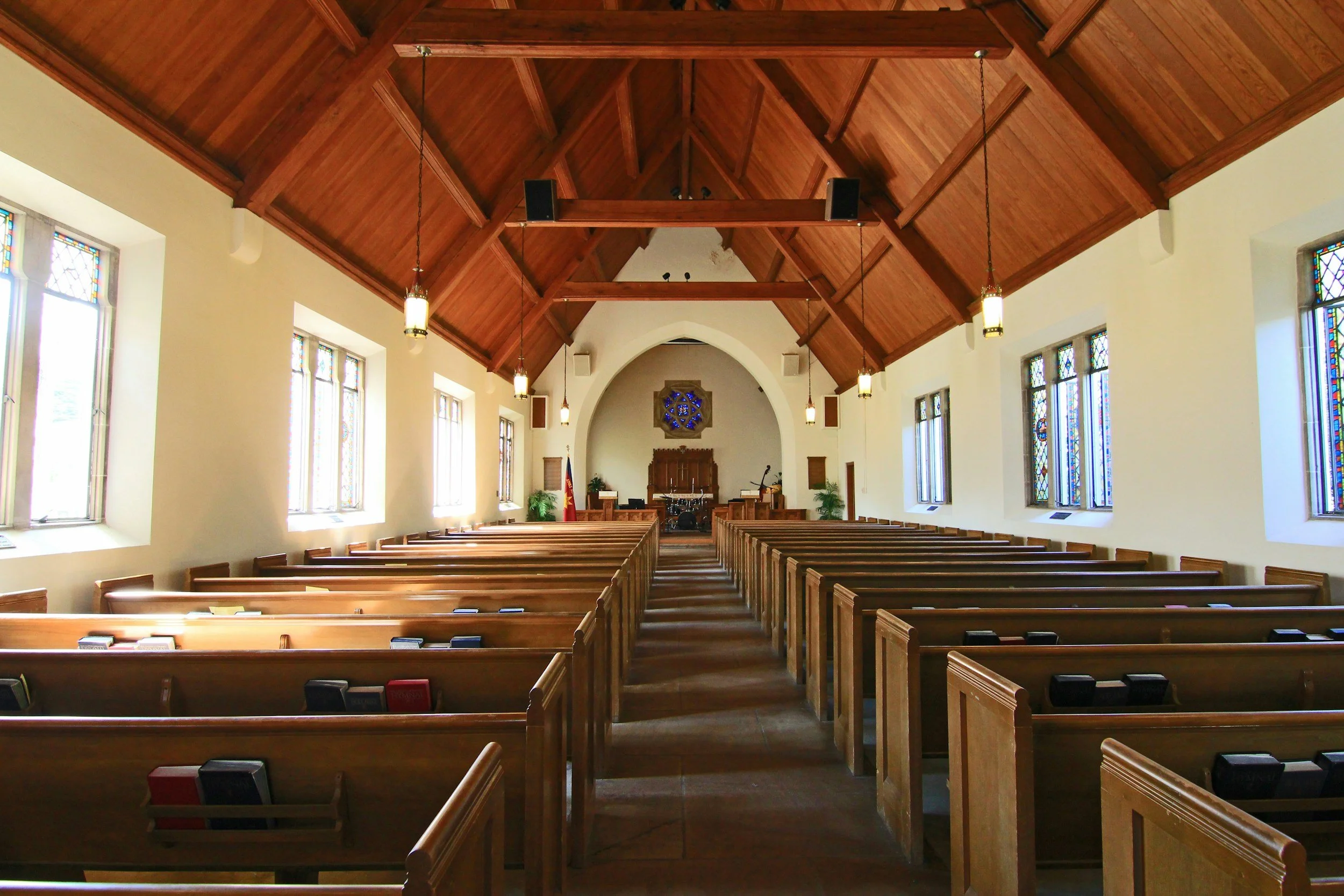
Reformed Baptists are a distinct stream within the broader Baptist tradition, marked by confessional theology, covenantal interpretation of Scripture, and a commitment to the regulative principle of worship. While all Baptists share core convictions like believer’s baptism and congregational polity, Reformed Baptists are unified by historic confessions (especially the 1689), the doctrines of grace, and a means-of-grace understanding of worship and ordinances. In contrast, many non-Reformed Baptists are more theologically diverse, often less confessional, more influenced by dispensational frameworks, and tend to view the ordinances as purely symbolic. The result is a noticeable difference not only in doctrine, but in worship, church structure, and the overall theological coherence of the church.
What Does it Mean to be Reformed Baptist?
Reformed Baptists are defined by a set of doctrinal and ecclesiological distinctives grounded in the 1689 London Baptist Confession of Faith, including confessionalism, covenantal theology, the Regulative Principle of worship, and Baptist polity. They stand within the broader Protestant Reformation while maintaining historic Baptist convictions regarding baptism and local church governance. The discussion also includes a historical overview of Reformed Baptist identity and its connection to the Particular Baptist tradition.
Determinism and a Category Mistake: Divine Decree and Human Agency
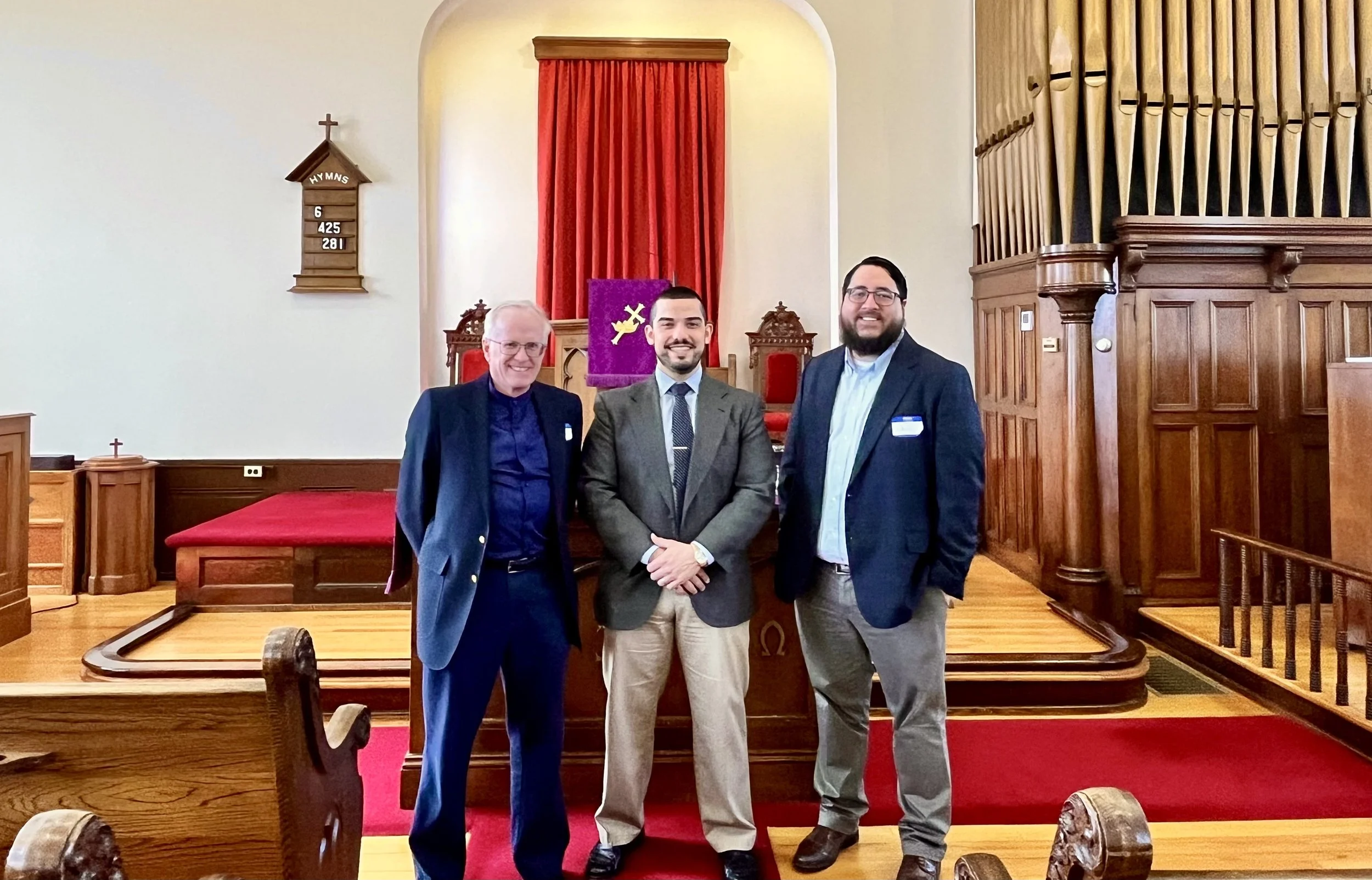
This is the manuscript of “Determinism and a Category Mistake: Divine Decree and Human Agency,” which was presented during the annual Aurandt Lectures on Theology at Christ Reformed Church of Alexandria, Pennsylvania on March 21, 2026.
Between Two Temples: Biblical Theology and the Fundamentalist Temptation to Withdraw
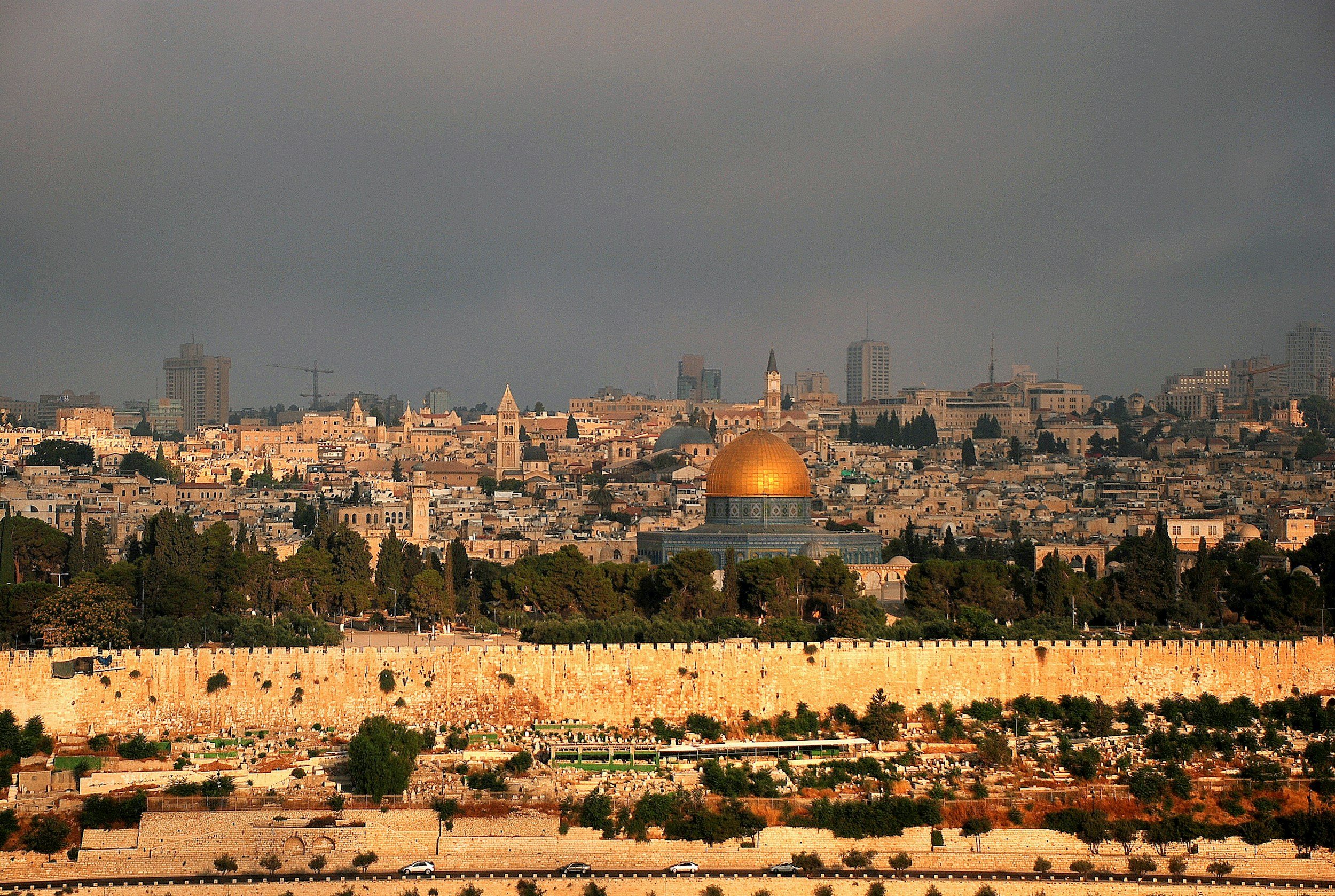
Abstract: This paper argues that a biblical-theological framework rooted in the unfolding narrative of Scripture offers a corrective to the enduring temptation within fundamentalist circles to withdraw from cultural engagement. Tracing key themes from creation to new creation—especially the role of image-bearing, kingdom expansion, exile, and the presence of God—this study challenges the dualistic assumptions that often underlie cultural separation. While affirming the necessity of holiness and theological distinctiveness, it critiques reactionary postures that neglect the missionary and ambassadorial identity of God’s people. This paper concludes by proposing a paradigm of “faithful presence” grounded in biblical theology that neither assimilates to culture nor retreats from it, but bears prophetic witness within it.

A Reflection on Twelve Years of Ministry
Twelve years of ministry is a long time (though arguably, it is also a short time). Here are some reflections from my experience as a pastor in various churches over the past twelve years (names are all redacted).

New Testament Ecclesiology
Ecclesiology is an often-neglected field in terms of study for the average churchgoer; however, every Christian who takes seriously the need of the local gathering has benefited, and continues to benefit, from the concepts taught in and through ecclesiology. While the average layperson views the church as primarily a human institution, Scripture views the church as “primarily a consequence of the character and purposes of the trinitarian God.” As such, a proper understanding of the church as a consequence of the character and purposes of God shapes how a Christian views themselves, the local gathering, and their relationship with God.

What to Look for in a New Church
Choosing a new church is a time-consuming and difficult decision because church attendance influences every aspect of your life. As such, it is important to keep your focus while searching for a new church to the issues that are most important—right doctrine, a high view of Scripture, Gospel clarity, qualified leadership, and authentic worship. Everything else is negotiable and while they might seem important, to choose the negotiable while ignoring the non-negotiable will only ever result in harm.

The Dangers of Theistic Evolution: A Critique of Integrating Evolutionary Theory with Christianity
Theistic evolution doesn’t just tweak Christian doctrine—it fuses Christianity with a worldview built on naturalistic assumptions. In doing so, it reshapes the foundations of the faith and places science over Scripture, eroding the doctrines of creation, sin, and redemption.

Why Rural Churches Need Apologetics Training
Many rural churches appear healthy on the surface—but beneath the friendliness lies missional drift, theological stagnation, and resistance to change. In this post, I argue that apologetics isn’t optional for rural ministries—it’s essential for turning the tide.

‘Ohana and the Local Church
“Nobody gets left behind or forgotten.”
That’s how Disney’s Lilo & Stitch defines ‘Ohana—and surprisingly, it’s also a beautiful picture of what the local church is supposed to be. In a world where churches are often treated like products, we’ve forgotten that church is family. In this post, I explore how a Hawaiian concept, a familiar children’s movie, and Scripture all remind us of the church’s true identity.

The Religious Ideology of Young Sheldon
Young Sheldon doesn’t showcase true Christianity. It shows us the cultural Christianity that has been prevalent in American Christianity—and it is deeply distorted and tragically shallow.
We, as Christians, need to do better.

Theological Separation and Cultural Separatism: Delineating between Necessary Separation and Unnecessary Separatism for the Good of the Church and Individual Conscience
This is a research paper submitted in partial fulfillment of the requirements for the course DR37305, Theology and Culture at Midwestern Baptist Theological Seminary (Kansas City, MO) on October 28, 2024.

A Review of Inside Out 2
A brief review of the Pixar movie Inside Out 2 with some thoughts about the movie from a Christian worldview.

A Critique of Barbour’s Religion and Science
This is a research paper submitted in partial fulfillment of the requirements for the course DR37001, Science and Origins at Midwestern Baptist Theological Seminary (Kansas City, MO) on July 13th, 2024.

Assumptions of Science
This is a research paper submitted in partial fulfillment of the requirements for the course DR37001, Science and Origins at Midwestern Baptist Theological Seminary (Kansas City, MO) on May 18th, 2024.

A Summary of Hinduism
This is a research paper submitted in partial fulfillment of the requirements for the course DR37002, World Religions at Midwestern Baptist Theological Seminary (Kansas City, MO) on November, 18th, 2023.

A Summary of Islam
This is a research paper submitted in partial fulfillment of the requirements for the course DR37002, World Religions at Midwestern Baptist Theological Seminary (Kansas City, MO) on October 7, 2023.

An Interpretation of 1 Peter 3:21
This is a research paper submitted in partial fulfillment of the requirements for the course DR30060, Integrating Christian Faith and Practice at Midwestern Baptist Theological Seminary (Kansas City, MO) on June 24, 2023.

A Lexical Analysis of 1 Peter 3:21
This is a research paper submitted in partial fulfillment of the requirements for the course DR30060, Integrating Christian Faith and Practice at Midwestern Baptist Theological Seminary (Kansas City, MO) on June 17, 2023.